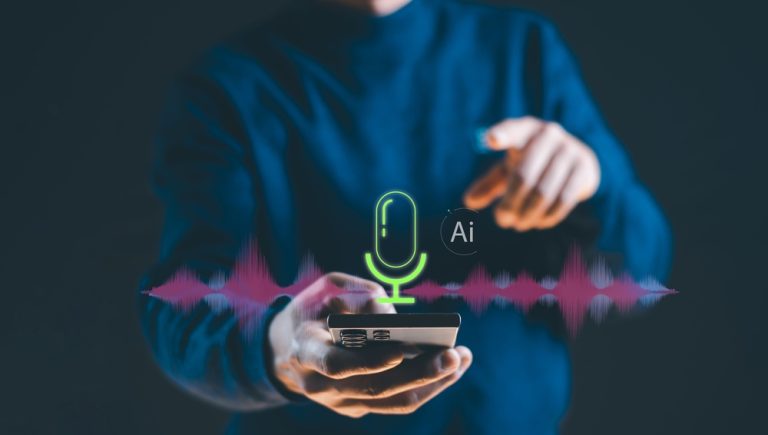
Almost every other AI-powered speech to speech translator is becoming more powerful, faster, and surprisingly fluent. But as machines take on more human communication, a new question emerges: can AI truly capture emotion? Or are we losing something in translation?
What is a speech to speech translator?
A speech to speech translator converts spoken language from one language to another in near real-time. Unlike traditional tools that require a written intermediary (speech-to-text-to-speech), these AI systems can now process spoken input, translate it, and output a new audio stream almost instantly.
Modern systems use a blend of:
- Automatic speech recognition (ASR) to detect and transcribe speech
- Neural machine translation (NMT) to convert between languages
- Text-to-speech (TTS) synthesis to recreate the output in a natural voice
The result: someone can speak in English, and another person can hear the live translation in Spanish, French, Mandarin, or dozens of other languages within seconds.
But here’s the twist: spoken language isn’t just what we say. It’s how we say it.
Why emotion matters in translation
If you’ve ever been on the receiving end of a monotone AI voice, you know the problem. Language is filled with nuance. We use pitch, rhythm, inflection, and timing to express emotion, irony, sarcasm, or urgency. A heartfelt apology sounds nothing like a sarcastic one; yet the words could be identical.
For international events, misreading emotion can mean more than awkward moments. In healthcare, it might damage trust. In law, it could sway interpretation. And in business? It could cost a deal.
So, can an AI speech to speech translator really preserve the emotional weight of a conversation?
Where AI translation succeeds
Let’s start with what today’s systems are getting right.
- Real-time fluency across languages – Platforms like InterpretCloud and others now support dozens of language pairs with real-time speech-to-speech output. This makes live translation for hybrid events faster, more accessible, and scalable.
- Custom voice tone settings – Some systems allow predefined emotional tones like “friendly,” “neutral,” or “urgent” when generating translated speech. This works well in scripted environments like product launches or webinars.
- Emotion tagging with AI models – With advances in emotion recognition, AI can now detect emotional tone in input speech (e.g., frustration, happiness, fear) and match the translated output to reflect it more accurately.
- Accents and pronunciation – High-quality platforms offer regional accent support to make AI voices sound more natural, helping them feel less robotic and more relatable.
For structured content and multilingual events, AI speech to speech offers a powerful solution that’s faster and more flexible than ever before.
Where it still falls short
Despite these gains, the human ear still notices when something’s off. Here are some limitations of current speech to speech translator systems:
- Loss of spontaneous emotional nuance – AI may detect basic emotions like joy or anger, but it struggles with subtleties like sarcasm, passive aggression, or humor, especially across cultures.
- Generic synthesized voices – Even the best TTS voices still sound artificial at times. They may deliver content clearly but lack the fluid shifts in tone we associate with empathy, warmth, or tension.
- Misinterpretation of cultural cues – A phrase said playfully in one language may sound rude in another if the tone isn’t preserved. Machines aren’t always able to make that distinction without training.
- Flat delivery in high-stakes moments – When emotions run high—like in courtrooms or emergency scenarios—a robotic tone can feel out of place or even disrespectful.
Yet even with many advancements, AI still struggles to match the emotional nuance and cultural sensitivity that human interpreters provide, especially in complex or high-pressure environments where tone matters as much as content.

The hybrid solution: AI + human sensitivity
This is where platforms like InterpretCloud stand out from purely AI-driven solutions. Instead of forcing a one-size-fits-all approach, InterpretCloud offers a hybrid model. This is one that combines the speed and scale of AI with the emotional intelligence of trained human interpreters.
AI delivers speed and scalability
When events involve large, distributed audiences or multiple language channels, AI interpreters are ideal for handling the baseline translation load.
These systems process speech rapidly, supporting over 200 languages in real-time. For scripted content, routine dialogue, or presentations with predictable formats, AI can keep pace effortlessly and cost-effectively.
Human interpreters provide emotional context
But not all moments are predictable. Some require more than just linguistic accuracy: they demand cultural understanding, empathy, and tone sensitivity.
In high-stakes situations such as legal proceedings, healthcare consultations, or keynote speeches, human interpreters play a vital role. They ensure that subtleties like tone shifts, humor, sarcasm, or emotional emphasis are captured and conveyed accurately across languages.
Dynamic handoff between AI and human
InterpretCloud’s platform is designed for flexibility. Organizers can choose when to rely on AI and when to bring in human interpreters, depending on the needs of the session. This dynamic switching, guided by the nature of the content and the audience, ensures both speed and emotional accuracy without compromising on either.
The result is a more natural, responsive, and human-centric interpreting experience. Audiences stay engaged. Messages are conveyed clearly. And emotion isn’t lost in translation.
Can AI eventually get it all right?
The short answer? Maybe. Future AI will likely improve at emotion detection, voice synthesis, and cultural adaptation. Projects like OpenAI’s Whisper and Google’s Translatotron are already experimenting with emotional tone preservation and direct speech-to-speech translation without relying on written intermediaries.
But we’re not there yet.
Until then, real emotional intelligence still needs a human touch. And that’s especially true in high-stakes settings where every word (and how it’s said) matters.
Final thoughts
An effective speech to speech translator doesn’t just convert words. It delivers meaning, with all the tone, feeling, and intention intact.
While AI is making major strides in this space, the emotional complexity of human speech still requires thoughtful interpretation. That’s why hybrid solutions like InterpretCloud’s AI-plus-human platform are not just the future, they’re already the best of both worlds.
If you’re planning a multilingual event, hybrid meeting, or global rollout, consider how you’ll not only translate your message but also the emotion behind it. And if you need help, reach out to InterpretCloud and get a free quote today!